
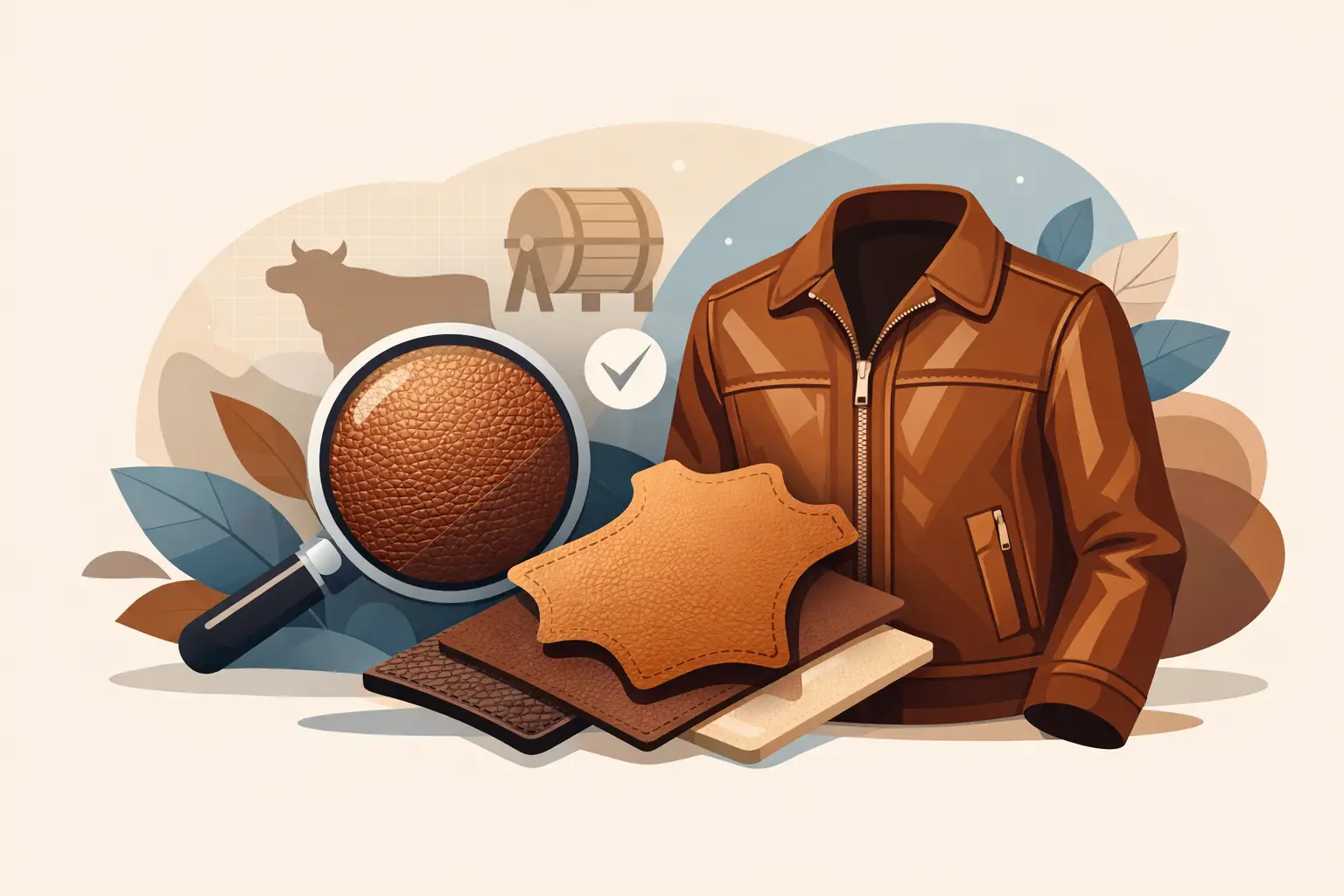
A jacket can look sharp in a product photo and still disappoint the second it hits your hands. That is exactly why the premium leather definition matters. If you are buying a biker jacket, bomber, shearling piece, or a riding jacket built for real use, the word premium should mean more than marketing. It should point to better raw material, stronger construction, a richer feel, and longer wear.
For serious jacket buyers, premium leather is not one single leather type. It is a quality standard. It describes leather made from better hides, processed with more care, and finished in a way that keeps strength, character, and comfort intact. In plain terms, premium leather should look better, age better, and hold up better than cheaper alternatives.
What is the premium leather definition?
The clearest premium leather definition is leather made from high-quality animal hides, usually with fewer flaws, better grain integrity, and stronger durability than lower-grade leather. It is selected, tanned, and finished to preserve the hide’s natural strength while delivering a refined look and feel.
That sounds straightforward, but there is a catch. Premium does not always mean the same thing across every product category. In fashion outerwear, premium leather often means softer hand feel, cleaner finish, attractive grain, and reliable longevity. In motorcycle gear, premium leather has to do more. It must also deliver abrasion resistance, structural strength, and dependable performance under harder conditions.
So the real answer is this – premium leather is leather that performs at a higher level for its intended use. A fashion-forward lambskin jacket and a heavyweight cowhide riding jacket can both qualify as premium, but for different reasons.
What separates premium leather from ordinary leather
The biggest difference starts at the hide level. Premium leather usually comes from better sections of the hide, with fewer scars, insect bites, stretch marks, or weak spots. The grain is more consistent, the fiber structure is stronger, and the leather tends to wear more evenly over time.
Lower-grade leather is often corrected more aggressively to hide imperfections. That can mean heavy sanding, artificial embossing, thick pigment coatings, or split leather dressed up to look better than it really is. It may appear smooth at first, but it often lacks the depth, flexibility, and aging potential that buyers expect from a high-quality jacket.
Premium leather also stands apart in the tanning and finishing process. Better tanning helps the material stay strong without turning stiff or brittle. Better finishing enhances the color and texture without burying the hide under thick synthetic coatings. You still want protection and consistency, especially in outerwear, but not at the cost of character.
Full grain, top grain, and where premium fits
A lot of shoppers assume premium leather only means full grain. That is not always true.
Full grain leather is generally considered the highest grade because it keeps the outermost layer of the hide intact. That layer is dense, durable, and naturally distinctive. It shows real grain patterns, develops strong patina, and usually offers outstanding long-term wear. In rugged jackets and heritage-inspired outerwear, full grain is often the benchmark.
Top grain leather can also be premium. It has been lightly sanded or refined to remove surface imperfections, which creates a more uniform finish. When done well, top grain leather still delivers strength, comfort, and a polished appearance. For many modern fashion jackets, this balance is exactly what buyers want – cleaner visuals with real durability.
Genuine leather creates more confusion. Technically, it is real leather, but the label alone says very little about quality. Some genuine leather products are decent. Others are made from lower layers or heavily processed material that will not offer the same feel or lifespan as premium full grain or high-end top grain.
That is why labels matter less than the full picture. The hide quality, leather weight, finish, lining, and construction all count.
How premium leather should look and feel
You can usually spot premium leather before you know the technical specs. It has presence. The surface has depth instead of a flat plastic look. The grain appears natural rather than stamped and repetitive. The color looks rich, not painted on.
In hand, premium leather should feel substantial without feeling dead. Depending on the hide, it may be buttery soft, smooth and sleek, or firm and rugged. What it should not feel like is cardboard, foam, or vinyl. Good leather has life to it. It flexes, moves, and warms up as you wear it.
Smell also tells a story. Real premium leather has a distinct natural scent from the hide and tanning process. Overly chemical or synthetic odor can signal heavy finishing or lower-grade processing.
That said, softness alone is not proof of quality. Lambskin can feel extremely soft and still vary in grade. Cowhide can feel firmer and actually be more durable. Premium is about matching the right feel to the right purpose.
Why hide type matters in the premium leather definition
Different hides deliver different strengths, and that affects how premium should be judged.
Lambskin is prized for softness, light weight, and luxury. It is a strong choice for sleek fashion jackets, slim silhouettes, and elevated everyday wear. A premium lambskin jacket should feel smooth, supple, and cleanly tailored.
Cowhide is tougher, heavier, and more abrasion resistant. It is a classic choice for biker jackets, rugged bombers, and motorcycle gear. Premium cowhide should feel dense and durable, with a grain that gains character instead of breaking down.
Goatskin sits in a smart middle ground. It offers solid durability with a lighter feel than heavy cowhide, and it often shows a pebbled grain that works well in both fashion and utility pieces.
Buffalo leather has a bold, pronounced grain and strong build. When processed well, it gives jackets a rugged, substantial look that fits heritage and distressed styles.
So if a seller uses premium to describe leather, ask premium for what. Urban style, cold-weather wear, everyday use, or high-performance riding all call for slightly different priorities.
Construction matters as much as the leather itself
A premium hide can still end up in a disappointing jacket if the build quality is weak. Stitching, panel placement, hardware, lining, and fit all shape how that leather performs in real life.
Strong seams matter because leather puts stress on stitch lines, especially in fitted biker jackets and movement-heavy riding gear. Cheap zippers can ruin an otherwise good piece. Thin lining can make a jacket feel less substantial and shorten comfort through the colder months.
For riders, premium construction has an even higher standard. Leather thickness, reinforced impact zones, armor compatibility, mobility panels, and secure closures all matter. A premium riding jacket is not just about appearance. It has to hold up when speed, friction, and weather enter the equation.
Marketing language vs real quality
The word premium gets used loosely in ecommerce, so buyers need a sharper filter. If the product description says premium leather but avoids specifics, that is a signal to slow down.
Look for details like hide type, grade, finish, leather weight, lining material, and hardware quality. A strong seller will usually tell you whether the jacket is lambskin, cowhide, goatskin, or another hide. It will also explain whether the design is built for softness, warmth, everyday wear, or riding performance.
Photos help, but they only go so far. Overedited images can make average leather look expensive. Product details tell you more than dramatic lighting ever will.
A reliable premium leather definition always includes proof. Not hype, not vague luxury language, but material facts.
How to judge premium leather before you buy
Start with the product description and look for precision. If a jacket is made from 100% genuine leather, that is a starting point, not the finish line. You still want to know the hide type and intended use.
Next, consider the price in context. Premium leather is not cheap to source and build, but expensive does not automatically mean better. What matters is whether the materials and craftsmanship justify the cost.
Then think about your own use case. If you want a lightweight statement jacket for nights out, premium lambskin may be the right investment. If you want a hard-wearing motorcycle jacket, thicker cowhide or performance-focused leather makes more sense. The best choice is not universal. It depends on how you plan to wear it.
At Jackets In Leather, that distinction matters because shoppers are not all buying for the same reason. Some want clean style and everyday luxury. Others want road-ready protection with real toughness behind the look.
The real value behind premium leather
Premium leather earns its place over time. It breaks in instead of falling apart. It shapes to the body, develops character, and keeps its edge season after season. That is the difference buyers actually feel.
If you are trying to separate a strong investment from a short-lived trend piece, use the premium leather definition as your filter. Look beyond the label, pay attention to hide, finish, and construction, and choose the jacket that fits your purpose as hard as it fits your style. The right leather does not just complete the look – it keeps proving itself every time you wear it.