
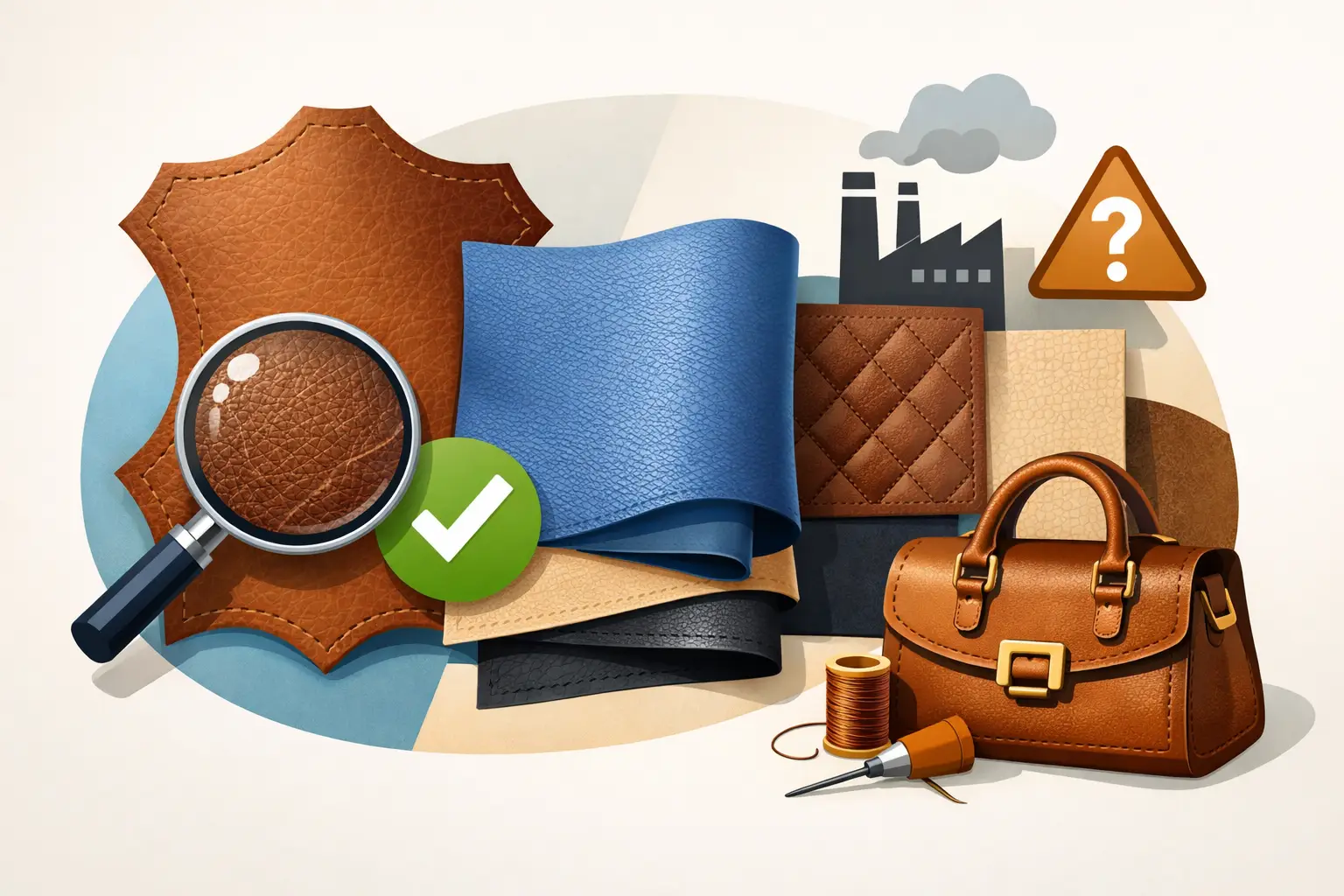
You see the words premium leather on a product page, the price looks solid, the jacket looks sharp, and one question comes up fast: is premium leather real leather? The honest answer is yes – sometimes. Premium is a marketing term, not a leather grade. It can describe a genuine, high-quality hide, or it can be used loosely on lower-tier material dressed up with better photos and stronger copy.
That matters when you are buying outerwear meant to last. A leather jacket is not a throwaway layer. It is part style statement, part long-term investment, and for many riders, part protection system. If the material is not what it claims to be, you will feel it in the fit, the wear pattern, the durability, and the way the jacket ages over time.
Is premium leather real leather, or just a label?
Premium leather is not an official industry classification like full grain, top grain, or suede. It is a descriptive term. Some brands use it responsibly to signal better hides, cleaner finishing, stronger hand feel, or elevated construction. Others use it because premium sounds expensive, luxurious, and easy to sell.
So if a label says premium leather, that phrase alone does not confirm the material is genuine leather. It also does not automatically mean it is fake. You need more detail. If the product description also says 100% genuine leather, cowhide, lambskin, goatskin, sheepskin, or another real hide, that is a stronger sign. If it only says premium leather with no material breakdown, that should raise questions.
Real leather comes from animal hide. Faux leather is synthetic, usually made from polyurethane or other man-made materials. Bonded leather sits in the middle of the confusion zone because it contains leather scraps mixed with adhesives and backing materials. A brand can make bonded leather sound upscale with polished language, which is why shoppers need to look past surface-level wording.
What real leather terms actually mean
If you want to judge quality, the useful words are not premium, luxury, or elite. The useful words are the ones that describe what part of the hide is used and how it is finished.
Full grain leather
This is widely considered the strongest and most natural form of leather. The outer surface of the hide stays intact, including its original grain. It develops character with wear and usually outlasts heavily corrected materials. For rugged biker jackets, heavy-duty outerwear, and serious long-term use, full grain is a strong choice.
Top grain leather
Top grain is also real leather, but the surface has been sanded or corrected to remove imperfections. It still offers durability, a cleaner appearance, and a smoother finish. Many fashion-forward leather jackets use top grain because it balances strength with a more refined look.
Genuine leather
This term causes confusion. Genuine leather is real leather, but it does not automatically mean premium quality. In many cases, it refers to lower layers of the hide that have been processed and finished to look uniform. It can still be a solid option, especially at accessible price points, but it is not the top tier by default.
Suede and nubuck
Both are real leather. Suede comes from the underside of the hide and has a soft, brushed feel. Nubuck is top-grain leather that has been sanded on the surface for a velvet-like texture. They look excellent, but they wear differently and need more care than smoother finishes.
Bonded leather
This is where many shoppers get burned. Bonded leather contains leather fibers, but it is not the same as a true hide. It is made from leftover scraps that are shredded and reassembled with adhesives. It may look decent at first, but it usually lacks the strength, feel, and aging potential of genuine leather jackets.
Why brands use the word premium
The word works because it sells an image. Premium suggests a better cut, better feel, better status, and better performance. In some cases, that is fair. A jacket made from soft lambskin with clean stitching, strong hardware, and a sharp tailored fit may absolutely deserve to be described as premium.
The problem is that premium is subjective. One brand may use it to describe top-grain cowhide with durable lining and reinforced seams. Another may use the same word for corrected leather with a heavy finish. Another may use it for faux leather that simply looks better than entry-level synthetic material.
That is why serious buyers do not stop at adjectives. They look for specifics.
How to tell if premium leather is real leather
If you are shopping online, the product page should do more than sell the vibe. It should tell you what the jacket is actually made from.
Look first for direct material language. Phrases like 100% genuine leather, real lambskin leather, cowhide leather, or sheepskin leather are stronger than premium leather alone. If the description avoids naming the actual material, the brand may be leaving itself room to market around the truth.
Next, check the texture and finish in product photos. Real leather usually has natural variation. The grain should not look too perfect across every panel. If the surface appears overly uniform, overly glossy, or almost plastic under light, that can suggest synthetic material or heavily corrected leather.
Construction also matters. High-quality real leather jackets tend to pair the shell with better zippers, stronger seams, cleaner panel alignment, and lining built for wear. Premium should describe the complete product, not just the tag line.
Price can offer clues, but not guarantees. Real leather generally costs more than faux leather because the raw material and production process are more demanding. Still, price alone does not prove quality. Some brands overcharge for average leather, while others offer strong value through direct-to-consumer pricing.
What premium should mean in a leather jacket
For a leather jacket shopper, premium should show up in performance, feel, and longevity.
It should mean the leather has substance. Whether it is a sleek lambskin fashion jacket or a heavier cowhide biker piece, the shell should feel rich, not flimsy. It should move with the body without feeling cheap.
It should mean better wear over time. Real leather develops personality. It softens, breaks in, and picks up character in a way synthetic material usually cannot match. A strong leather jacket does not just survive seasons – it gets better with them.
It should also mean purpose-built construction. A fashion jacket should deliver fit, comfort, and sharp style. A motorcycle jacket should go further with abrasion resistance, dependable hardware, mobility, and room for protective design features. Premium in riding gear has to do more than look good in photos.
When premium leather might still be worth buying
Not every jacket needs to be full grain to be a smart purchase. That is where nuance matters.
A top-grain lambskin jacket can be an excellent buy if your priority is softness, clean style, and lightweight comfort. It may not be the ideal choice for aggressive riding, but it can be perfect for everyday wear, nights out, travel, and statement layering.
A genuine leather jacket can also be worth buying when the brand is transparent, the construction is strong, and the price matches the material level. Not every customer wants the heaviest hide or the highest price point. Some want a sharp, durable jacket that delivers real leather character without going over budget.
What you want to avoid is paying premium-level money for vague labeling and average material.
Red flags shoppers should watch for
If a product page leans hard on words like premium, luxury, and high-end but never clearly says real leather, be careful. The same goes for listings that use phrases like leather feel, leather-like, or premium man-made leather while relying on imagery that suggests something more authentic.
Another red flag is when the description skips hide type entirely. Good brands usually tell you if a jacket is made from lambskin, cowhide, goatskin, or sheepskin because that helps the buyer understand softness, weight, and use case.
You should also be cautious with prices that seem too low for what is being promised. Real leather can be offered at accessible prices, especially by focused retailers like Jackets In Leather, but there is still a floor below which the material story often stops adding up.
The smarter question to ask before you buy
Instead of asking only is premium leather real leather, ask what kind of leather is this jacket made from, how is it finished, and what is it built to do?
That shift gets you closer to the truth. A bomber for casual wear, a distressed biker jacket for street style, and a racing suit for serious road use should not all be judged by the same standard. The right leather depends on the job. Soft lambskin feels luxurious and stylish. Cowhide brings more structure and toughness. Shearling adds warmth and presence. Premium means more when it is tied to purpose.
The best leather jackets do not hide behind buzzwords. They tell you what the hide is, how the jacket is built, and why it earns its price. When a brand is clear about that, you are not buying a label. You are buying real material, real performance, and a jacket that looks stronger every time you put it on.
If premium leather is on the tag, treat it as the start of the conversation, not the final proof. The real value is in the hide, the build, and the way the jacket holds its ground year after year.